The Evolution of Egyptian Hieroglyphics and Statues
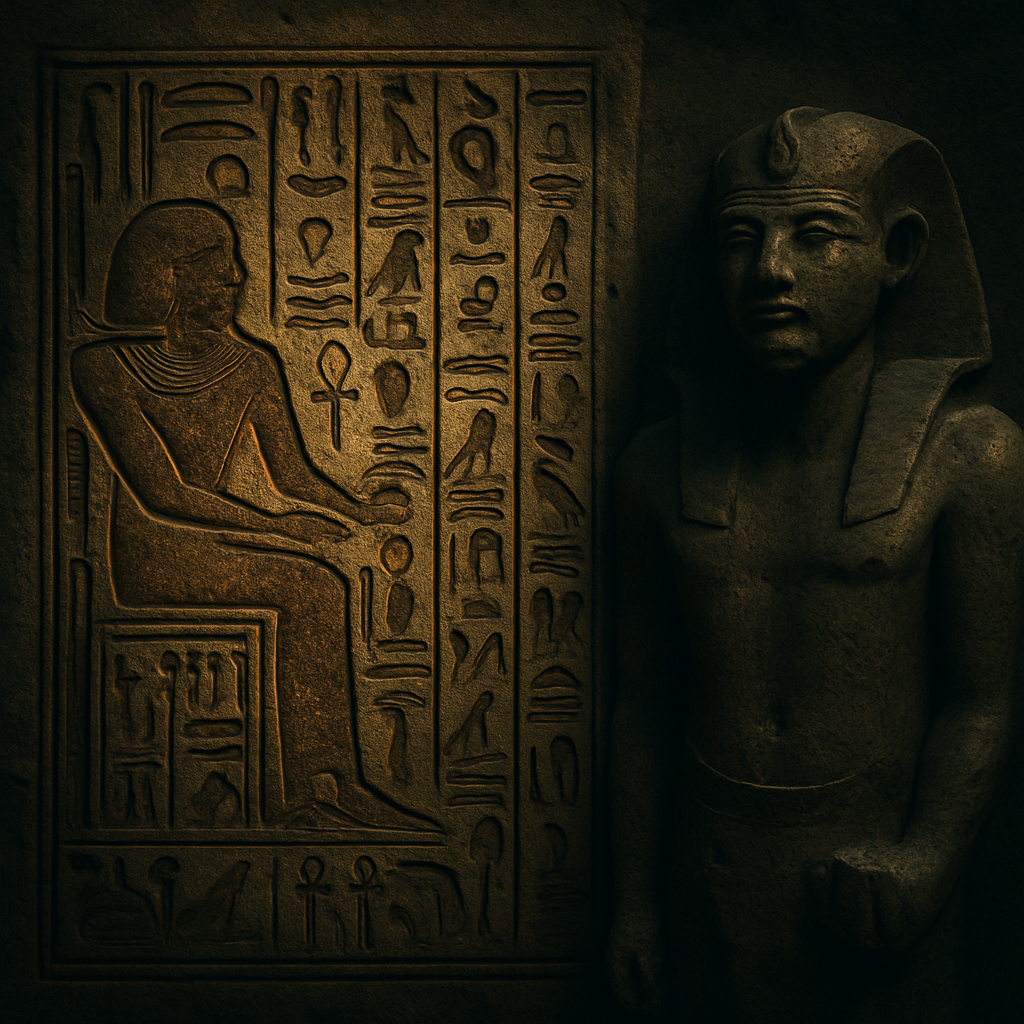
In the earliest days of ancient Egypt, before formal alphabets and structured scripts, visual language reigned supreme. Egyptians communicated not just through spoken word but through pictures—meticulously carved or painted scenes on stone tablets and temple walls. These images, known as hieroglyphics, were more than mere decoration; they were narratives in symbolic form. Each pictograph conveyed complex meanings, chronicling daily life, divine encounters, historical triumphs, and spiritual beliefs.
The figures in these early depictions adhered to strict artistic conventions. Size indicated status—pharaohs, gods, and priests towered over commoners and servants, visually reinforcing the divine hierarchy. Equally important was orientation: prominent figures, such as rulers, were often portrayed with their torsos facing forward while their heads and legs pointed in profile, creating a duality of presence that emphasized power and omniscience. Lesser figures, in contrast, were drawn fully in profile, their roles marked by uniformity and deference.
As Egyptian civilization advanced, so too did its art. What began as a means of documentation evolved into a profound ritualistic and spiritual tradition, particularly in the realm of funerary art. Tombs became sacred spaces where the physical and spiritual worlds converged. These weren’t simply graves—they were carefully constructed vessels meant to ensure a safe passage into the afterlife.
Early burial practices were simple, utilizing underground benches or shallow pits. But for the elite—especially royalty and high-ranking officials—these evolved into grand mastabas and later, pyramids and elaborate stone tombs, often located in the arid cliffs of places like Thebes and the Valley of the Kings. These spaces were richly decorated and filled with statues, jewelry, papyrus scrolls, food offerings, and personal belongings—items believed to accompany the deceased into eternity.
Tombs became sacred spaces where the physical and spiritual worlds converged.
The statues and busts placed in these tombs reflected both artistic skill and spiritual philosophy. Initially, these sculptures followed idealized proportions—bodies stood rigidly, arms straight at the sides, fists clenched, and feet placed in a forward stance of readiness. Faces were expressionless, embodying a sense of timeless dignity. But as dynasties changed and artistic techniques matured, sculptors began to introduce individuality into their work.
By the Middle and New Kingdoms, statues featured more defined features—subtle smiles, high cheekbones, almond-shaped eyes, and even lines to reflect age or wisdom. These details weren’t just aesthetic choices; they were intentional attempts to preserve the soul (ka) and reflect the subject’s unique personality, while still adhering to idealized spiritual beauty.
Egyptian artists used a canon of proportions to maintain harmony and divine order in their depictions. Every measurement—of the face, limbs, and posture—was aligned with cosmic principles. Even as styles shifted, this system remained a guiding force, ensuring that each figure was not only beautiful but spiritually correct.
Eventually, this focus on idealism reached new heights. Statues became exaggerated symbols of perfection, with softened curves, polished stone finishes, and a celestial calm in their expressions. The goal wasn’t realism—it was transcendence. These images weren’t merely portraits; they were gateways to immortality, crafted to last beyond the crumbling of empires.
Thus, Egyptian hieroglyphics and funerary sculptures stand as more than relics. They are echoes of eternal longing—art forms through which an ancient civilization sought to anchor life in death, and to speak across time, through stone, pigment, and form.
Leave a Reply