

Part 1: “A Selfish Good Deed? Trujillo’s Offer to European Jewish Refugees”
Is a good deed still “good” if it’s rooted in selfish motives?
Few figures illustrate this question as vividly as Rafael Trujillo, the long-reigning dictator of the Dominican Republic. In 1939, as the dark clouds of the Holocaust loomed over Europe, Trujillo made a surprising offer. He would welcome thousands of Jewish refugees fleeing Nazi persecution. While most nations shut their doors, many cited economic pressures. Others were influenced by racial bias and security fears. Meanwhile, Trujillo’s Dominican Republic offered a rare glimmer of hope. It seemed like a Caribbean haven midst a world filled with hostility. For refugees desperate to escape, this offer must have felt like a miracle. But was it?

Beneath Trujillo’s outward generosity lay a complex web of motives. His invitation to the Jewish refugees was not a selfless act. It was a calculated move tied to his ambitions for personal power. He also aimed for national transformation and international influence. Behind the scenes, Trujillo sought to reshape the Dominican Republic in his image. Welcoming Jewish refugees was not just a benevolent gesture. It was part of a larger vision to “whiten” his country. Trujillo wanted to boost its economy. He also aimed to redeem himself on the global stage after his brutal massacre of Haitian migrants in 1937.
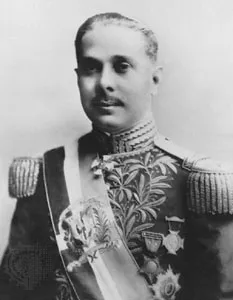
Trujillo’s strategic generosity raised ethical questions that still resonate today: Does the motive behind an act tarnish its merit? Is a gesture of kindness still “kind” if it’s meant to serve the giver more than the receiver? We peel back the layers of Trujillo’s offer. This “good deed” was also a cunning bargain. It was self-serving. His so-called “open door” came with strings attached—strings tied to race, power, and reputation.



Leave a Reply