
,

Living the Absurd: How It Shapes My Life

Illustration of a lone figure standing on a rocky peak looking up at a glowing star through parting storm clouds

Living the Absurd: How It Shapes My Life

An absurd experience in my life was being diagnosed with bipolar disorder. At first, I thought I was simply dealing with anxiety and insomnia, but the diagnosis came out of nowhere, completely unexpected. It felt random, almost surreal, and it’s had a profound impact on my life ever since.

In absurdist philosophy, something is absurd when it lacks inherent meaning. The world itself, in its chaos and randomness, isn’t rational and doesn’t provide any transcendent purpose. Yet, as human beings, we’re driven to seek that meaning, to impose some kind of order on our lives. In facing the absurd, we have a few possible responses: suicide, religious belief, seeking power (as portrayed in Albert Camus’ play Caligula), or accepting the absurd without trying to resolve it.

For me, I would choose religious belief, because it offers meaning to things we feel should have meaning. Even without hard proof, religion provides answers and a sense of order that comforts us in a world that otherwise might seem purposeless. It’s the closest solution to satisfying our deep need for meaning.
Leave a Reply

Your email address will not be published. Required fields are marked *


Discover more from Poetic Bipolar Mind

Subscribe to get the latest posts sent to your email.

  • 8:39PM

    8:39PM

    “8:39PM” unravels the silence of despair through haunting verses that echo betrayal, loss, and inner torment. With imagery of shadows, frozen nights, and broken vows, the poem embodies the raw voice of pain and truth, a dirge for a soul shackled by lies and desperate for release.

  • A Raft to Drift Upon

    A Raft to Drift Upon

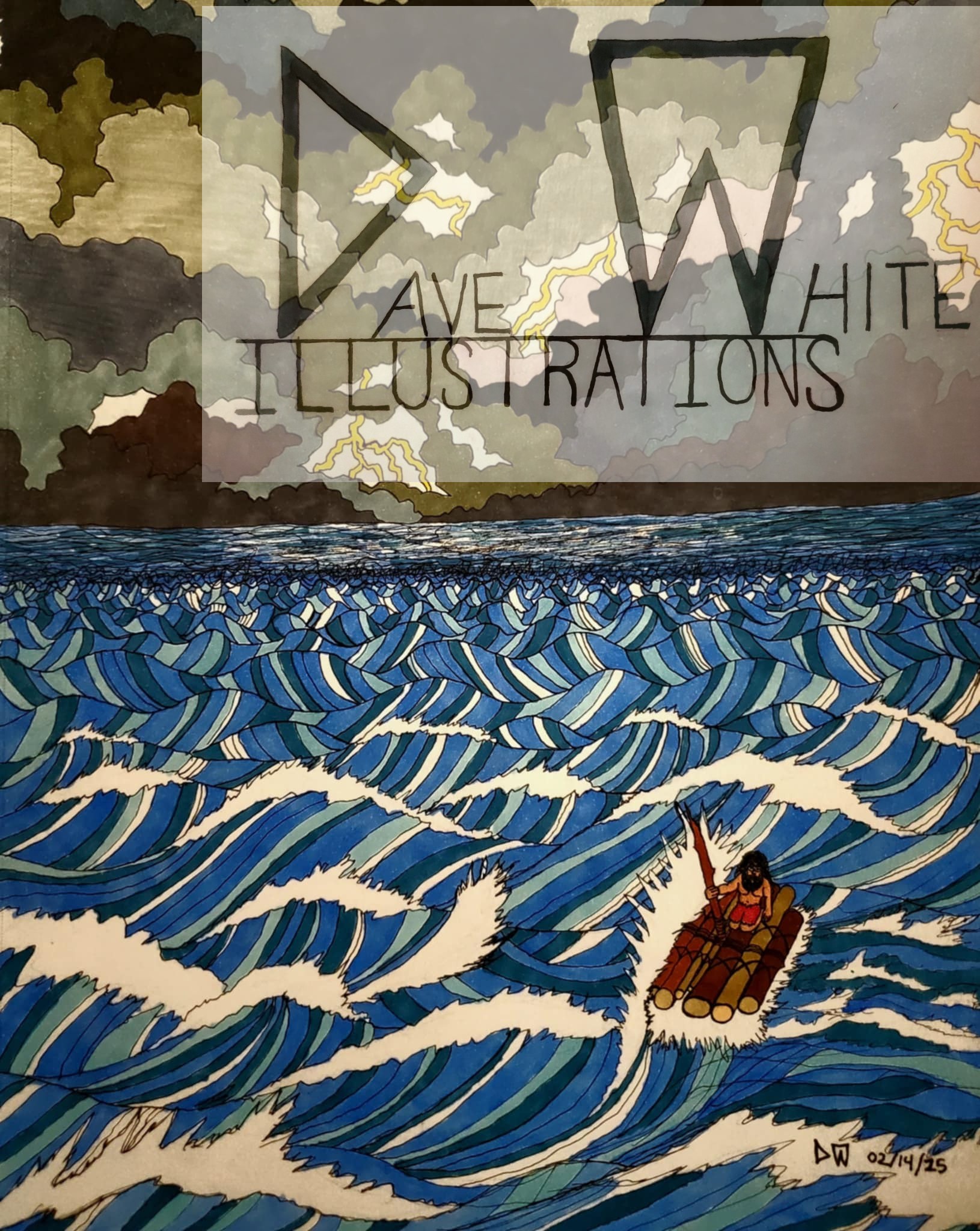
    A Raft to Drift Upon is a tender meditation on love’s power to carry us through life’s fiercest storms. Written by Kiana Jimenez and paired with David White’s Raging Sea illustration, this Emotive Fusion Art piece captures resilience, warmth, and hope in the face of adversity.

  • Privacy Rights in the Technological Age

    As smartphones, smart speakers, cloud services, and other technologies collect increasingly personal data, Privacy Rights in the Technological Age examines the growing tension between digital evidence, law enforcement, and Fourth Amendment protections.