Art as Therapy
Art has always been the language of pain. Before we could name our suffering, we etched it into walls, carved it into stone, painted it in colors too bold to speak. Creativity is not just expression—it’s survival.
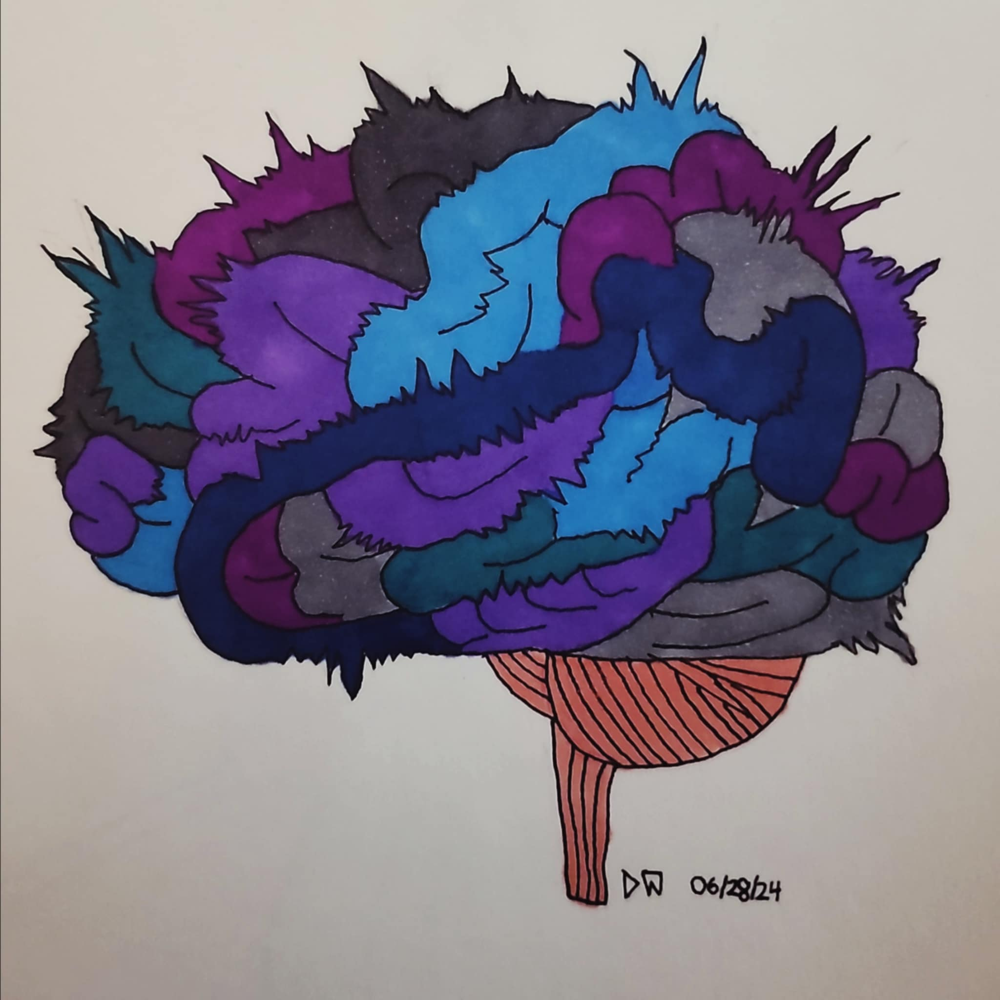
When trauma takes your voice, art gives you another way to scream—or whisper. Whether through poems, sketches, music, or movement, creativity makes the invisible visible. It turns numbness into shape, fear into motion, and sadness into something you can hold, understand, and—slowly—release.
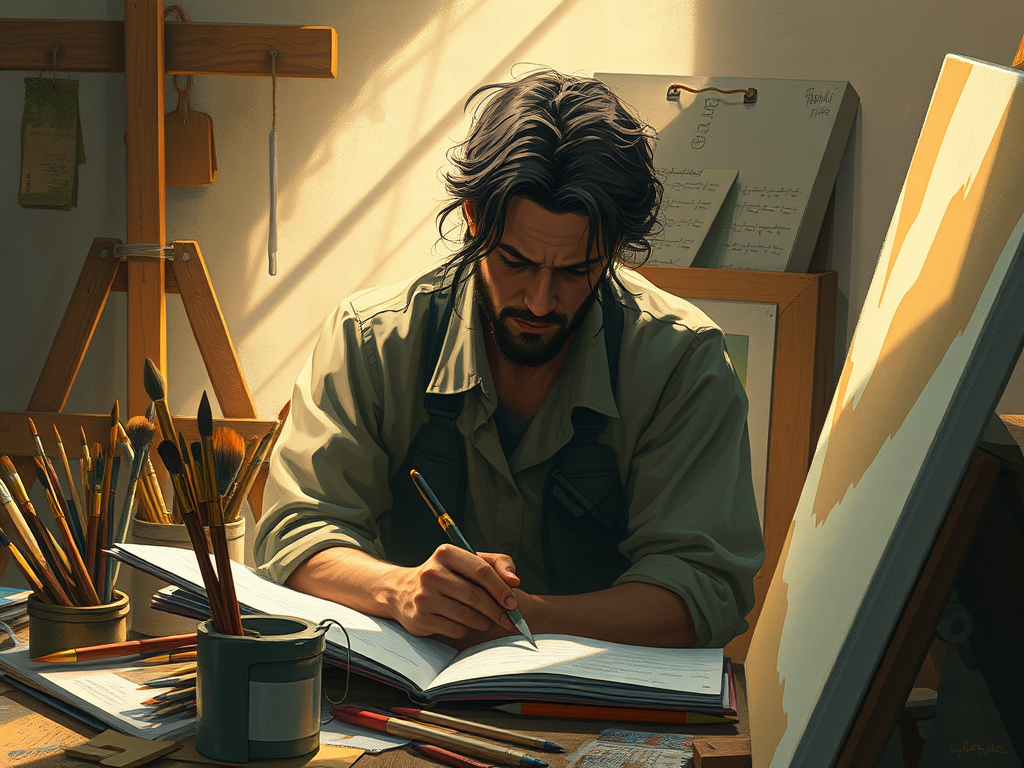
At Poetic Bipolar Mind, we believe that art is not about perfection. It’s about process. About showing up for yourself with a pen, a brush, or a camera. About saying, “This is how I feel,” even if no one else understands.
Sometimes the canvas absorbs what words cannot say. Sometimes the poem writes you, not the other way around. And sometimes, healing doesn’t come in a breakthrough—but in a quiet hour spent making something out of your pain.
“Art enables us to find ourselves and lose ourselves at the same time.” — Thomas Merton
Let your pain have form. Let your story have texture. Through art, you are not broken—you are becoming.

Leave a Reply