,

One Small Lamp: “The Light That Stays After” — Substack Issue #5

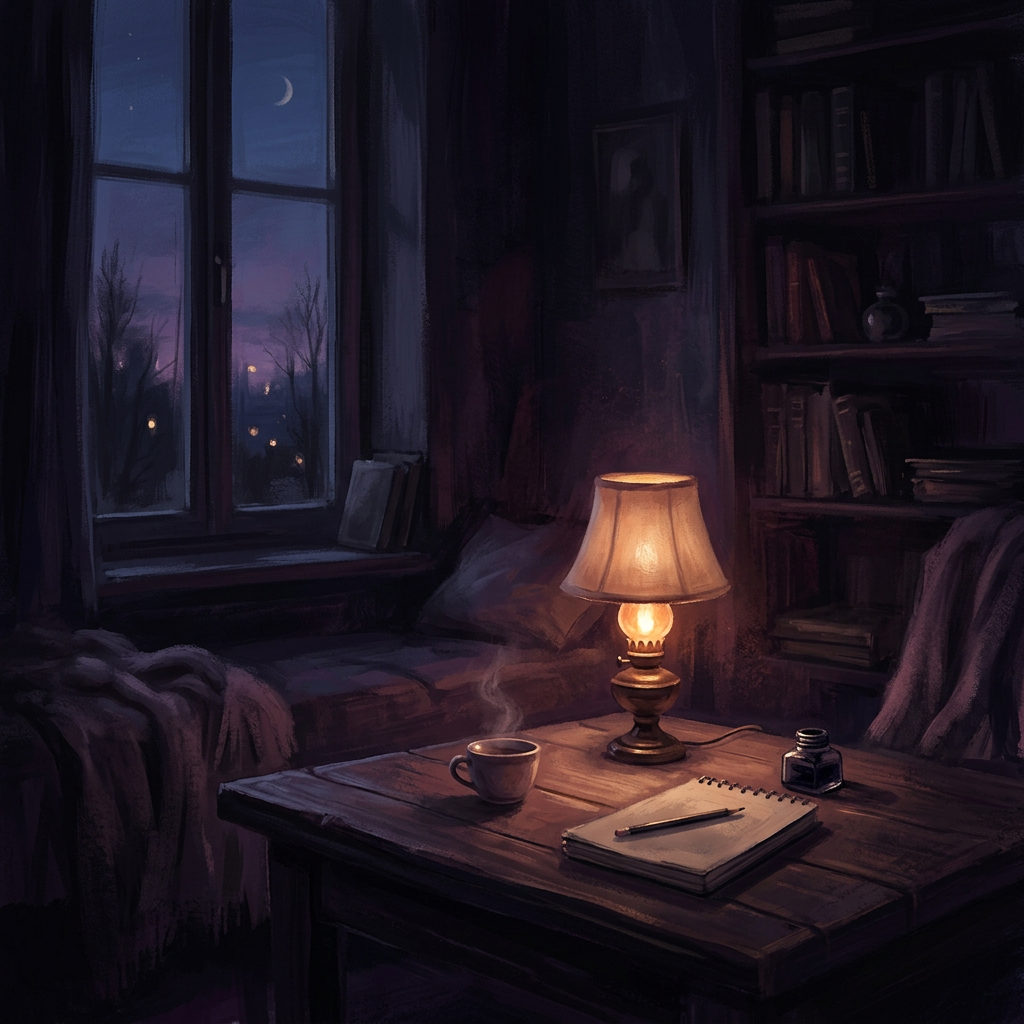
Desk with lamp, coffee, notebook, and ink beside a moonlit window

October is thinning at the edges now, the light leaving earlier and asking less of me. Issue #5 of the Poetic Bipolar Mind Substack, “The Light That Stays After,” is Kiana Jimenez writing for a season when it is easier to give in to the dark than to name it — a reflection on keeping a small lamp lit through the darker months, and a poem written just for the issue about lighting one small lamp, letting the shadows settle, and giving the dark a shape to hold.

Its thesis fits in one line: the light that stays after is the one you make room for, not the one you chase.

📖 Read it free on Substack: https://poeticbipolarmind.substack.com/p/the-light-that-stays-after

Subscribe while you’re there — new issues land every Wednesday, and subscribers get them first.

Discover more from Poetic Bipolar Mind

Subscribe to get the latest posts sent to your email.

Leave a Reply

Your email address will not be published. Required fields are marked *


Discover more from Poetic Bipolar Mind

Subscribe to get the latest posts sent to your email.

  • The Illusion of Freedom

    David White’s Willow and Kiana Jimenez’s Binds reveal the paradox of freedom and captivity. The weeping willow’s branches drape like chains, echoing the poem’s lament of unseen binds. Yet both art and verse insist on resilience, reminding us that even in sorrow, a fragile thread of hope persists.

  • Beyond Right and Wrong

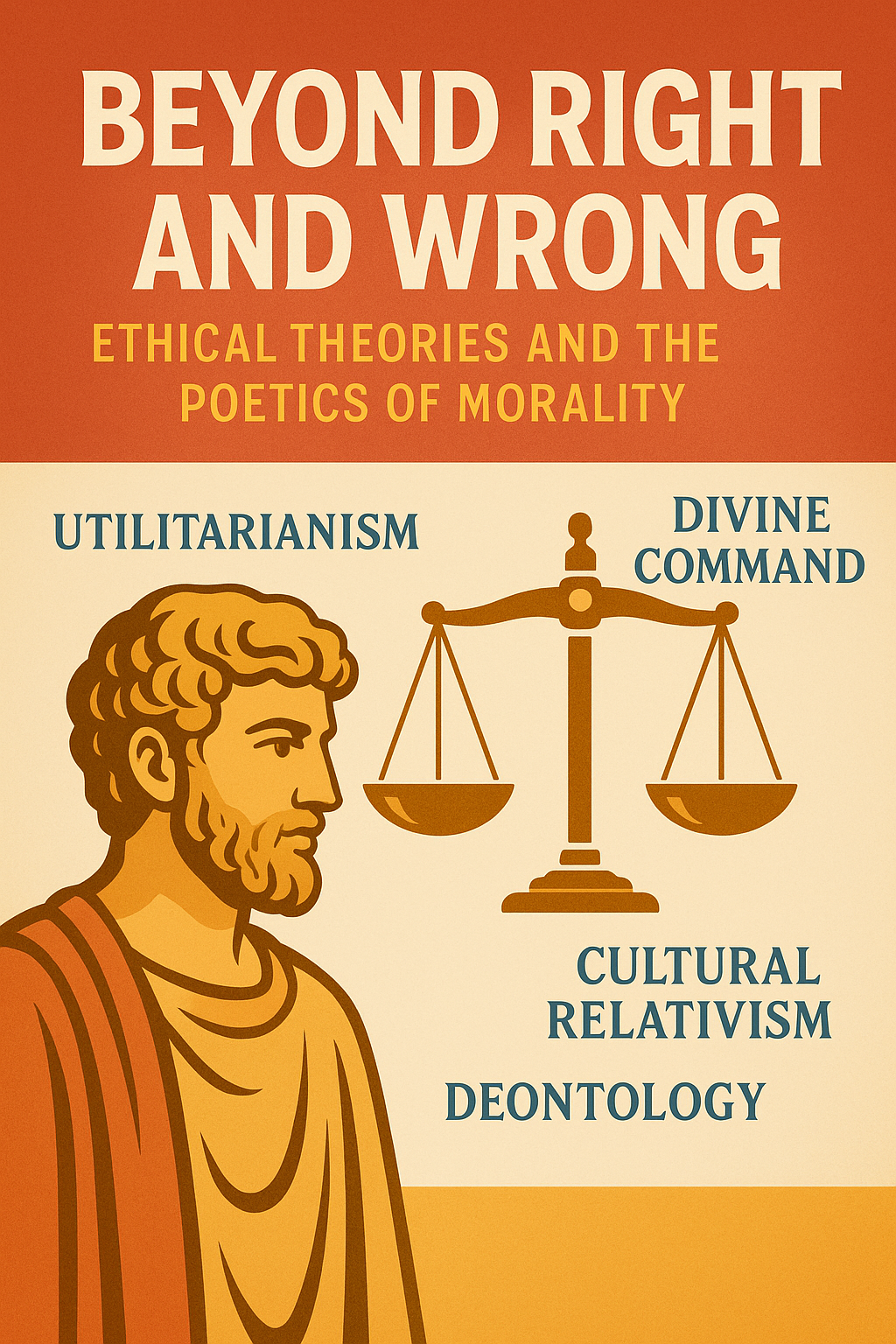
    Beyond Right and Wrong

    This exploration of ethical theories—spanning subjectivism, utilitarianism, divine command, and beyond—connects philosophy to lived experience. Through history, examples, and reflection, we consider how morality shapes culture, faith, and personal identity. On Poetic Bipolar Mind, ethics becomes more than theory; it becomes a language for art, healing, and human dignity.

  • The Price of Survival

    Jonathan Swift’s A Modest Proposal exposed a world already devouring its poor. Centuries later, the feast continues—more civilized, more hidden, but no less cruel. The Price of Survival reflects on satire, power, and the grotesque truths we live, turning grief and silence into resistance through the act of writing.