,

Someone Had Folded the Sheet: Veil Tales Part 4

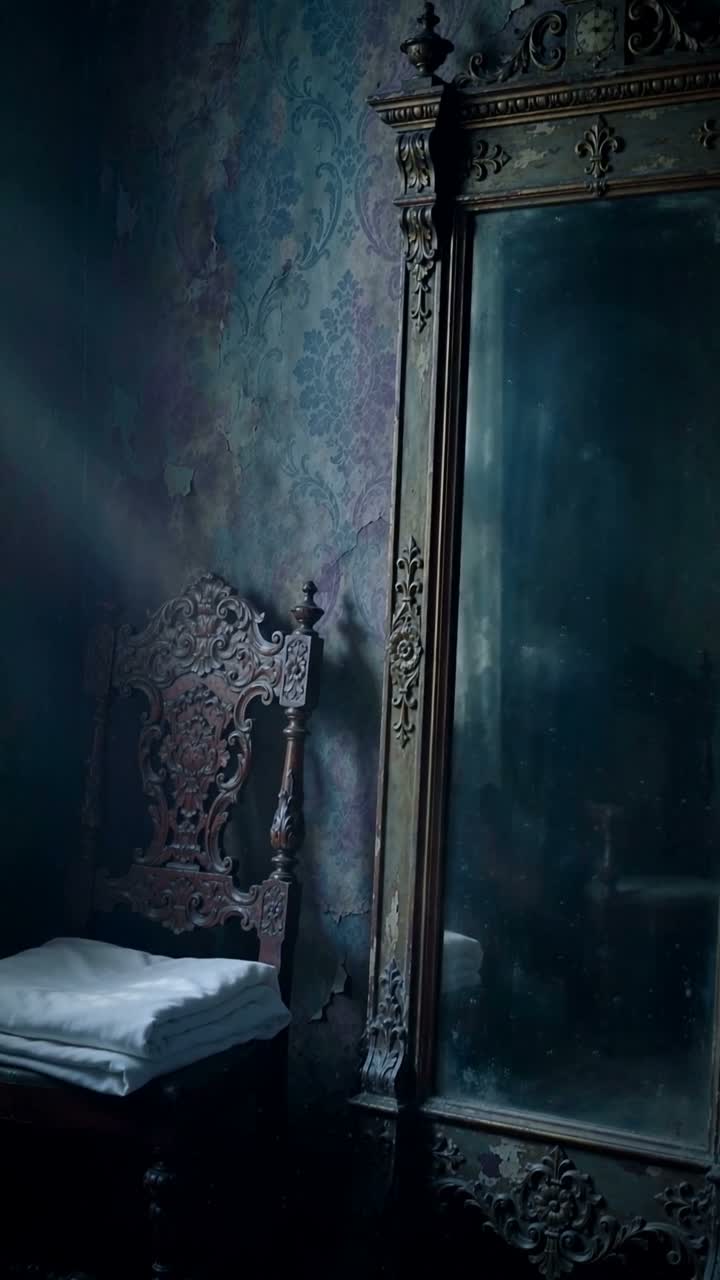
The footsteps stopped outside her door. And by morning, someone had folded the sheet. 🪞

Veil Tales Part 4 is here. She covers the mirror and waits for a knock that never comes. By morning the sheet is folded neat as laundry — and at dusk, the master of the house counts out her wages for fourteen nights.

Watch Part 4:

Transcript

I stayed by the door until the footsteps stopped on the landing. Nothing knocked. Nothing needed to. By morning, the sheet was folded like the house had done it for me — neat, patient, and a little too careful. I don’t know who folded it.

So I kept the door closed for fourteen nights, then I opened it just a crack. The mirror stayed covered. The house stayed quiet. And the wages were counted out in coins I’d never seen before.

Written & created by Kiana Jimenez · Poetic Bipolar Mind. Part 4 of Veil Tales — a series in short reels.
Discover more from Poetic Bipolar Mind

Subscribe to get the latest posts sent to your email.

Leave a Reply

Your email address will not be published. Required fields are marked *


Discover more from Poetic Bipolar Mind

Subscribe to get the latest posts sent to your email.

  • Black Rose

    Black Rose

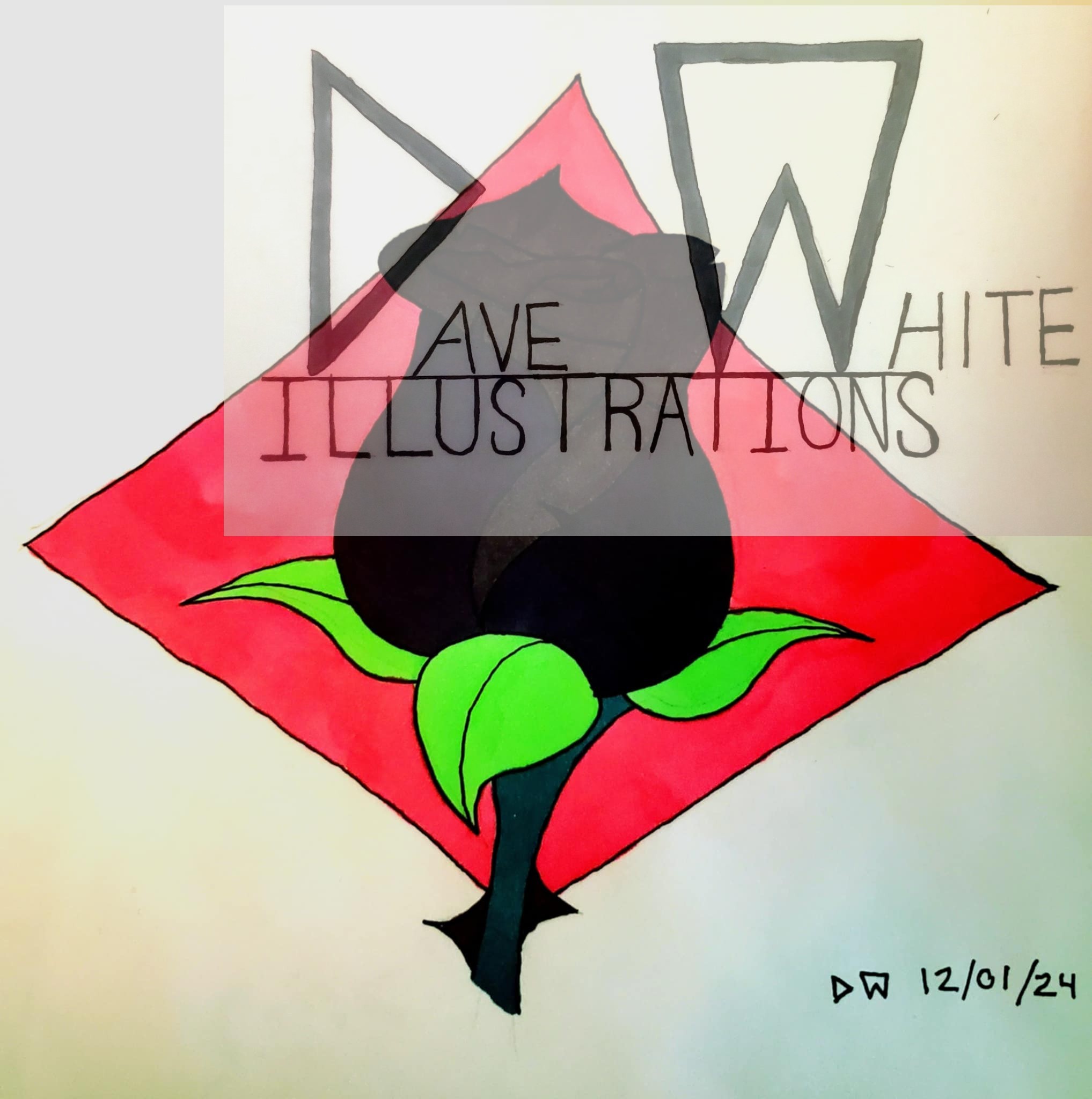
    A solitary black rose stands alone in a garden of colors, beautiful yet feared, unwanted yet unbroken. Its dark petals whisper of isolation, strength, and the longing for connection. When someone finally dares to embrace its uniqueness, two lonely souls find solace in each other’s presence.

  • The Illusion of Freedom

    David White’s Willow and Kiana Jimenez’s Binds reveal the paradox of freedom and captivity. The weeping willow’s branches drape like chains, echoing the poem’s lament of unseen binds. Yet both art and verse insist on resilience, reminding us that even in sorrow, a fragile thread of hope persists.

  • Beyond Right and Wrong

    Beyond Right and Wrong

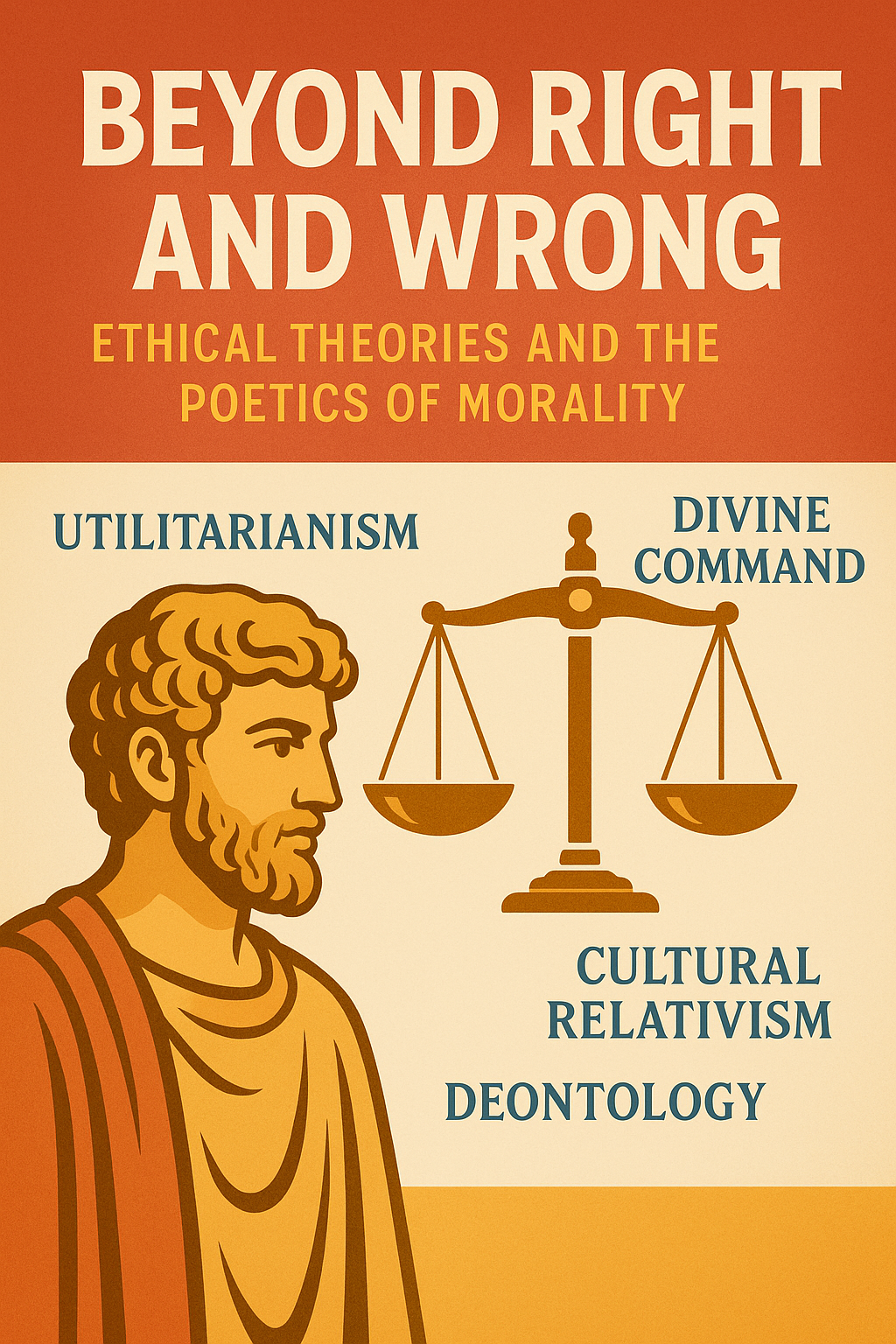
    This exploration of ethical theories—spanning subjectivism, utilitarianism, divine command, and beyond—connects philosophy to lived experience. Through history, examples, and reflection, we consider how morality shapes culture, faith, and personal identity. On Poetic Bipolar Mind, ethics becomes more than theory; it becomes a language for art, healing, and human dignity.