The Chair That Ate the Family

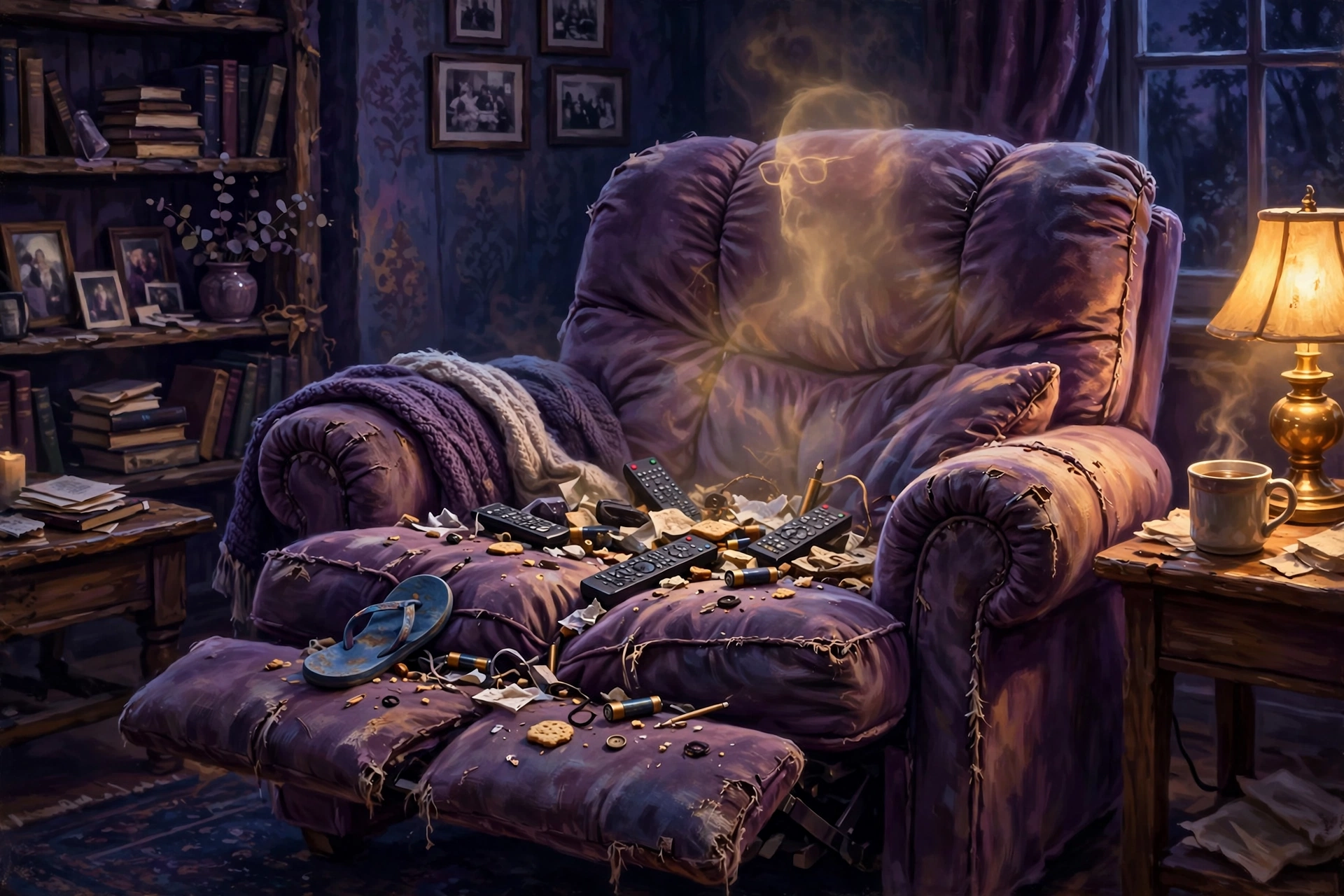
A worn purple recliner in a warm family living room, its cushions holding memories

The Chair That Ate the Family

Grandpa's recliner groaned on cue,
like ancient bones remembering youth;
he'd lean it back—the whole thing cried,
then swallowed him with wounded pride.
The footrest launched like pent-up rage,
a bear trap entering middle age;
one cousin lost a flip-flop there—
three birthdays passed. It reappeared.

Between the cushions: buried lore—
dead batteries, crumbs, remotes galore

Between the cushions: buried lore—
dead batteries, crumbs, remotes galore;
loose change, receipts, one mystery sock,
an archaeological family plot.
We joked that chair was surely cursed,
but somehow loved the monster worse;
it kept what ordinary years let go—
our crumbs, our laughter, Grandpa's ghost.

Written by Kiana Jimenez
Leave a Reply

Your email address will not be published. Required fields are marked *


Discover more from Poetic Bipolar Mind

Subscribe to get the latest posts sent to your email.

  • Beyond Right and Wrong

    Beyond Right and Wrong

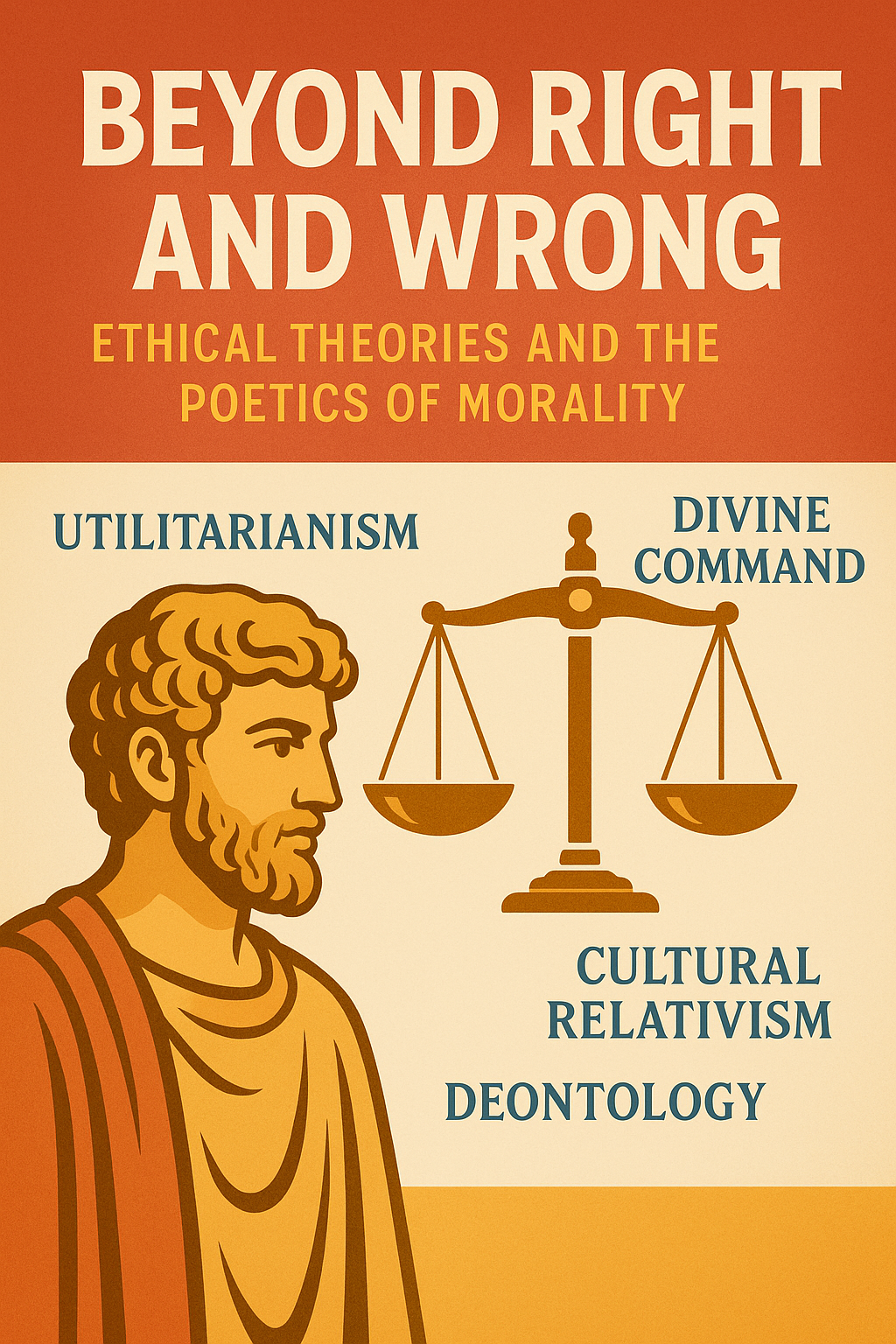
    This exploration of ethical theories—spanning subjectivism, utilitarianism, divine command, and beyond—connects philosophy to lived experience. Through history, examples, and reflection, we consider how morality shapes culture, faith, and personal identity. On Poetic Bipolar Mind, ethics becomes more than theory; it becomes a language for art, healing, and human dignity.

  • Binds

    Binds

    Ice burns through the chest, freedom becomes a cruel illusion, and binds linger even when the shackles are gone. Binds captures the ache of emptiness, the weight of choices, and the haunting question of whether escape truly exists. Yet, amidst despair, hope flickers faintly in the mist.

  • A World in Gray

    A World in Gray

    “A World in Gray” unravels the weight of numbness and despair, painting a world stripped of color, joy, and light. Through stark imagery of storms, shadows, and hollow songs, the poem captures the haunting stillness of depression while hinting at the hidden struggle of longing for freedom and release.