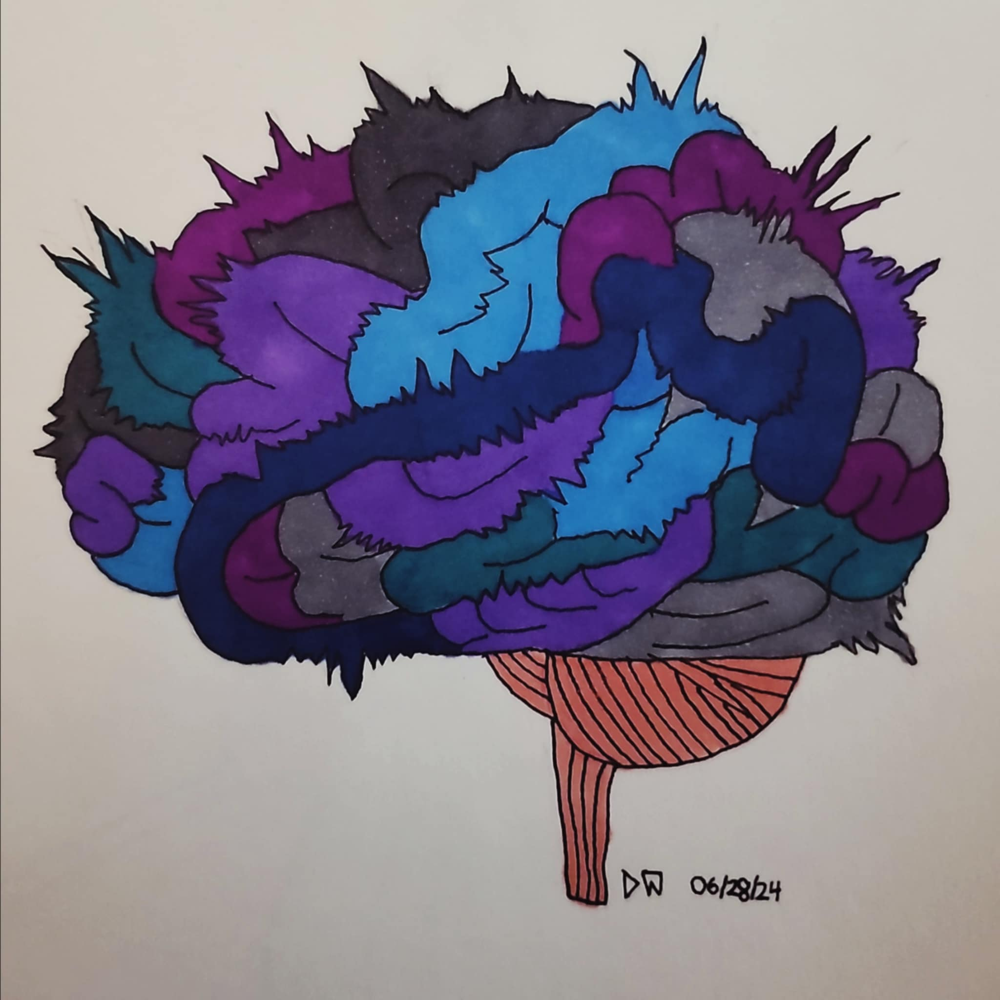
When the Hungry Feast on the Broken
Jonathan Swift once dared to say what no one wanted to admit: maybe the poor should sell their children as food. Boil them. Roast them. Season their innocence and feed the hunger of the rich.
A Modest Proposal (1729) was no recipe—it was a wound stitched in satire, a scream dressed in irony. Swift wasn’t suggesting cannibalism; he was exposing it. He was showing a world already devouring its poor, bone by bone, dignity by dignity.
He wrote,
“The poorer tenants will have something of value of their own which by law may be liable to distress and help to pay their landlord’s rent, their corn and cattle being already seized, and money a thing unknown” (Exploring Literature, 1021).
Stripped of everything, the poor themselves became the final currency.
And here we are, centuries later, still being swallowed alive.
The Feast That Never Ended
We do not roast children on dinner tables, no. But the feasting never stopped. It only grew quieter, more polished, more legal.
Mothers trade sleep for double shifts, their bodies exhausted for wages that dissolve into rent. Debt collectors gnaw at households until their foundations collapse into foreclosure. The sick die not from disease but from the price of healing.
Swift’s grotesque vision echoes because it was never only about Ireland—it was about power, about the endless appetite of systems that feed on the vulnerable.
I Know the Taste of Being Devoured
When my daughter died, I felt the teeth of grief tear into me. When depression tightened its grip, I felt myself being eaten alive—from the inside out.
My daughter’s death, my depression, my survival—they are not abstract ideas. They are wounds I carry, and they taught me what Swift knew: that to be poor, to be broken, to be grieving, is to be offered up to a world that will take and take until nothing is left.
Swift dressed his fury in satire. I dress mine in words—sometimes as poems, sometimes as essays, always as testimony.
The Grotesque as Truth
Satire works because it forces us to look at what we’d rather not see. Swift took the cruelty of landlords and turned it into a recipe, and suddenly the cruelty became undeniable.
Is it really more shocking to imagine boiling babies than to watch a family lose their home because rent rose beyond reach? Is it really more grotesque to picture children roasted than to watch children go hungry while food is thrown away?
The grotesque is truth without its mask.
Why I Refuse to Be Consumed
This is why I write. Why I turn pain into rhythm, grief into paragraphs, silence into testimony. Writing is not a cure—it is a refusal. Swift refused to let the poor of Ireland be eaten in silence. I refuse to let my story, my daughter, my brokenness, be swallowed in silence.
Every post on Poetic Bipolar Mind is a resistance, a reminder: I am still here. You cannot eat me quietly.
Works Cited
Swift, Jonathan. “A Modest Proposal.” Exploring Literature. Pearson, Boston, p. 1021.
Leave a Reply