The Power and Purpose of Civil Disobedience
By Kiana Jimenez | Poetic Bipolar Mind
“Because natural law is higher than human law, when human laws or cultural norms conflict with natural law or any of the higher laws, civil disobedience may be not only morally acceptable but morally required.” — Judith A. Boss, Ethics for Life (2023, p. 292)
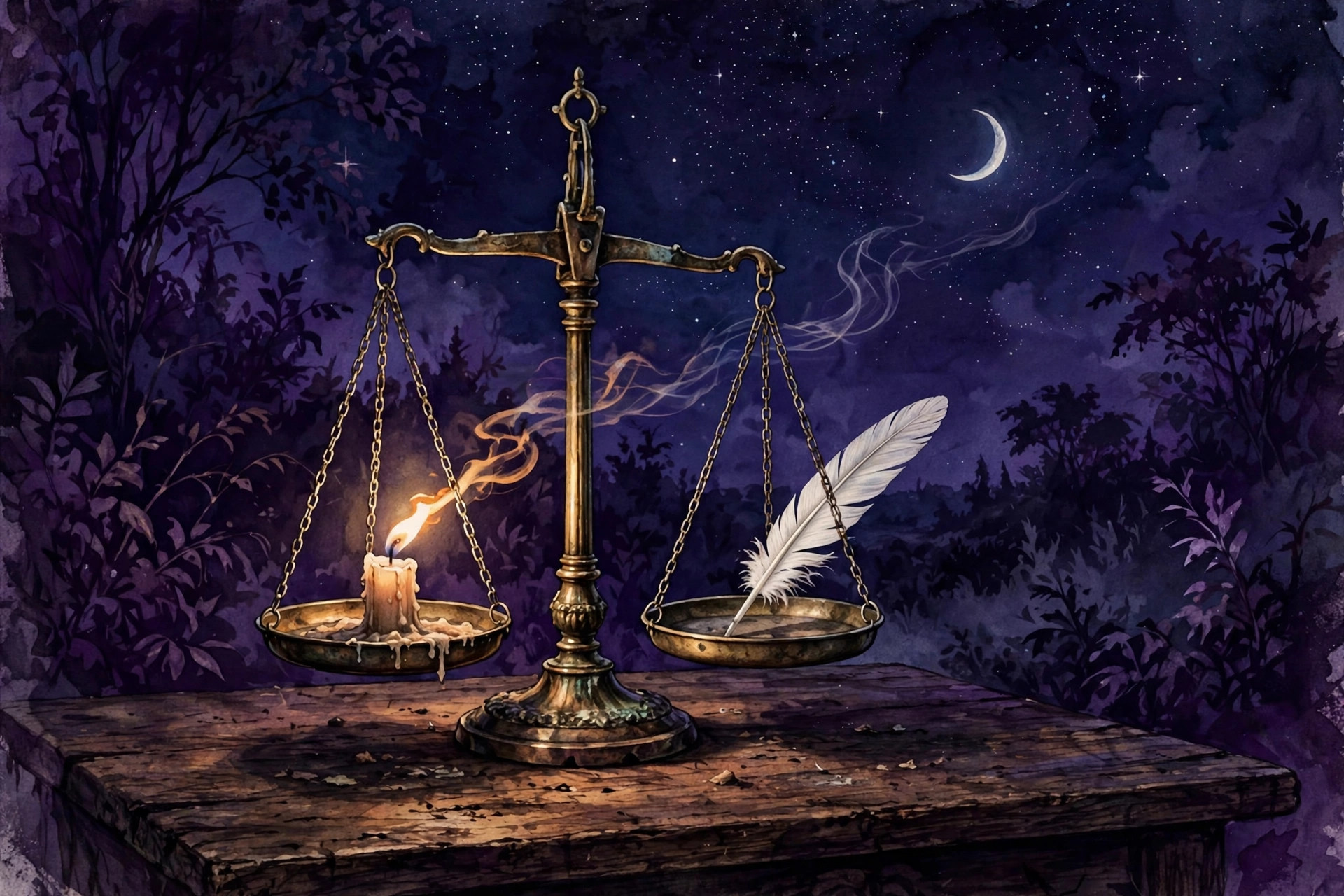
There are moments in history—and in our own lives—when obedience becomes complicity. When silence, no matter how convenient, begins to echo with guilt. In these moments, we are called to answer a higher authority: conscience, justice, and natural law.
I believe in the truth of Boss’s statement: that when human-made laws clash with the moral principles rooted in natural law, disobedience is not just allowed—it is necessary. Because while human law is written in ink, natural law is carved into the soul.
🌱 Natural Law vs. Human Law: The Inner Compass
Natural law refers to the universal moral principles that guide rational human beings. These principles—fairness, justice, dignity, compassion—are not taught. They are known. We don’t need legislation to tell us that cruelty is wrong, or that freedom is sacred. Natural law exists beyond culture, beyond power, beyond borders.
In contrast, human law is a manmade system: it includes the constitutions, policies, regulations, and judicial rulings created to organize a society. While its purpose is to maintain order, human law can be deeply flawed—especially when influenced by inequality, prejudice, or political interest.
History shows us that not all laws are just, and not all “legal” acts are moral. This is why we must look beyond legality to something higher: the shared truth of what is right, even when it is inconvenient.
📜 Civil Disobedience in Action: Two American Legacies
1. Susan B. Anthony and the Fight for Women’s Suffrage (1872)
In an act of deliberate defiance, Susan B. Anthony registered and voted in the 1872 U.S. presidential election—at a time when women were legally barred from doing so. For this, she was arrested and fined.
Anthony’s civil disobedience was more than a personal stand. It was a symbolic refusal to comply with laws that denied women political voice and equality. Her act was rooted in natural law, which holds that all rational beings are entitled to equal rights and moral consideration. Her message was clear: An unjust law is no law at all.
2. Martin Luther King Jr. and Nonviolent Resistance (1950s–1960s)
Dr. Martin Luther King Jr., influenced by both Christian ethics and natural law philosophy, led peaceful protests against segregation and racial injustice in the American South. From the Montgomery Bus Boycott to the March on Washington, King refused to obey laws that denied Black Americans basic human dignity.
In his 1963 Letter from Birmingham Jail, King wrote, “One has not only a legal but a moral responsibility to obey just laws. Conversely, one has a moral responsibility to disobey unjust laws.” He understood that civil disobedience is a sacred act—one that reveals the rot beneath the surface of society’s legal structures and demands reform.
⚖️ Why These Are Acts of Civil Disobedience
Both Anthony and King engaged in nonviolent resistance against the law—not to promote chaos, but to bring about moral clarity and systemic change. Civil disobedience, by definition, involves the refusal to obey certain human laws in order to highlight their injustice and inspire reform.
These acts are not born of rebellion—but of responsibility. They are moral awakenings, where individuals choose truth over convenience, and justice over fear.
🧭 How Ethics and Morals Shape Our View of Civil Duty
Our ethical frameworks—whether rooted in religion, culture, philosophy, or personal experience—profoundly influence how we perceive civil disobedience. For some, duty is obedience. For others, duty is righteous defiance.
If you believe, as I do, that natural law is superior to human law, then disobedience to unjust statutes is not simply allowed—it becomes a moral obligation. Our values guide us to see past what is written and listen to what is right.
Ethical and moral perspectives offer the lens through which we judge action. They help us ask:
- Is this law just?
- Does it respect human dignity?
- Whom does it protect—and whom does it oppress?
When those answers raise concern, our conscience must act.
✨ Final Reflection: The Courage to Say No
Civil disobedience is not comfortable. It is not easy. But it is essential.
When we follow unjust laws out of fear or habit, we risk betraying the very soul of justice. But when we stand, like Anthony and King did—knowing the cost but refusing to bend—we become part of a much greater legacy. A legacy of truth-tellers, peace-makers, and moral revolutionaries.
Because sometimes, doing the right thing means breaking the rules to rewrite them.
📚 Works Cited
Boss, Judith A. Ethics for Life: A Text with Readings. 6th ed., Pearson, 2023, p. 292.
King, Martin Luther Jr. Letter from Birmingham Jail, 1963.
Anthony, Susan B. Speech After Arrest for Illegal Voting, 1873.
Rawls, John. A Theory of Justice. Harvard University Press, 1971.


Leave a Reply