My Mind’s Haunted House

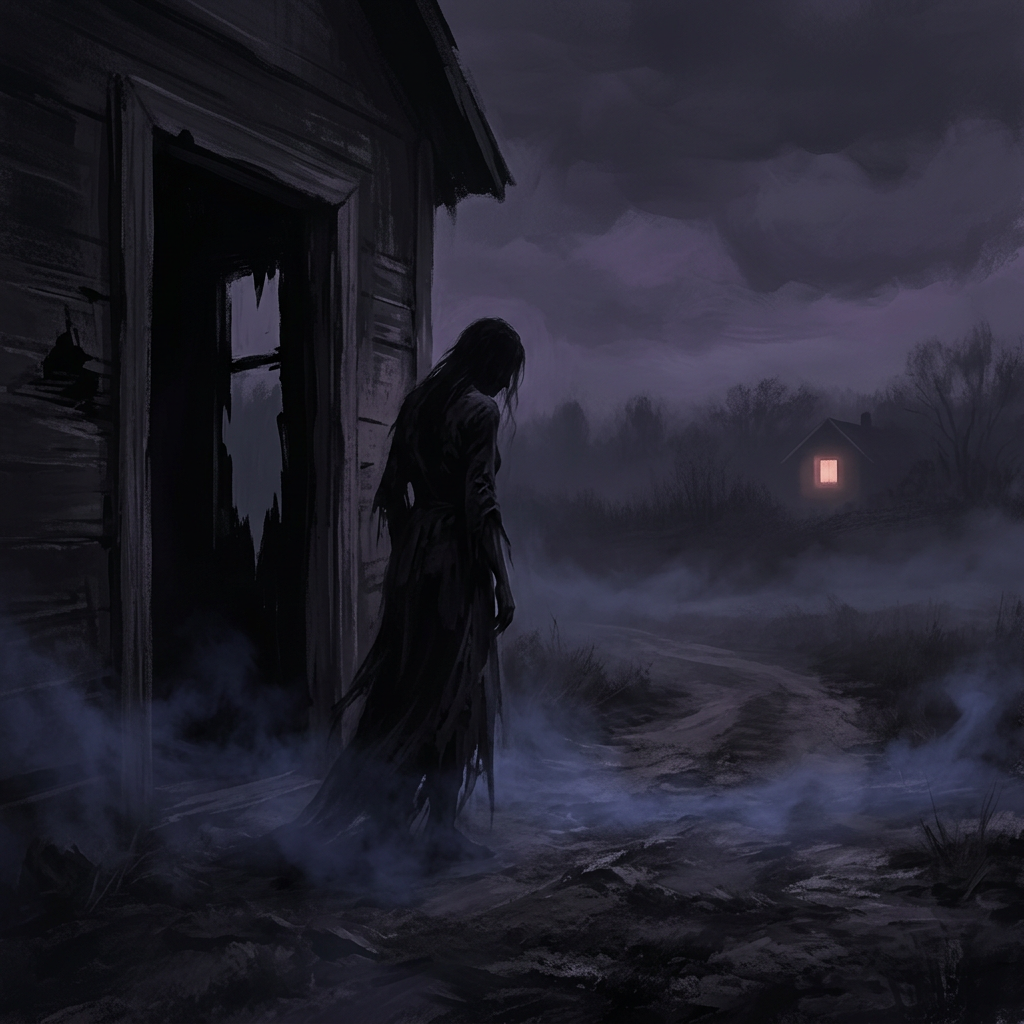
A shadowy figure stands beside a ruined house on a foggy night
My mind's a haunted house some nights,
With flickering halls and nervous lights.
The floorboards creak though no one's there,
And fear sits brushing my hair.
A portrait whispers, "Don't go near."
A mirror says, "They know you're here."
I want to leave, but every room,
Invents a fresh dramatic doom.
Then morning comes with toast and socks,
With unpaid bills and cereal box.
The ghosts look smaller in the sun,
Like tired actors after fun.
I don't burn down the house I own.
I sweep, I breathe, I call it home.
The haunted parts are not my shame,
They're rooms that still deserve my name.

Leave a Reply

Your email address will not be published. Required fields are marked *


Discover more from Poetic Bipolar Mind

Subscribe to get the latest posts sent to your email.

  • The Meaning of Life in Waiting for Godot

    The Meaning of Life in Waiting for Godot

    The Meaning of Life in Waiting for Godot “Nothing happens, nobody comes, nobody goes, it’s awful.” — Samuel Beckett Existentialism and Meaning The main underlying theme in the play is existentialism and the human struggle to create meaning in what seems to be a meaningless life. Existentialism is a philosophy that the idea of religion…

  • Faith as a Pseudo-Science

    Can faith stand trial in a courtroom, or survive the cold eye of a laboratory? An essay on belief without evidence, and why justice and religion were never meant to share the same bench.

  • Is Google Enhancing Our Intelligence?

    Is Google Enhancing Our Intelligence?

    Is Google expanding our minds or reshaping how we think? This essay explores whether constant access to information makes us more intellectual or more dependent. By examining memory, attention, and critical thinking, it asks if the digital age is sharpening our intellect—or quietly rewriting it.