,

One Small Lamp: “The Light That Stays After” — Substack Issue #5

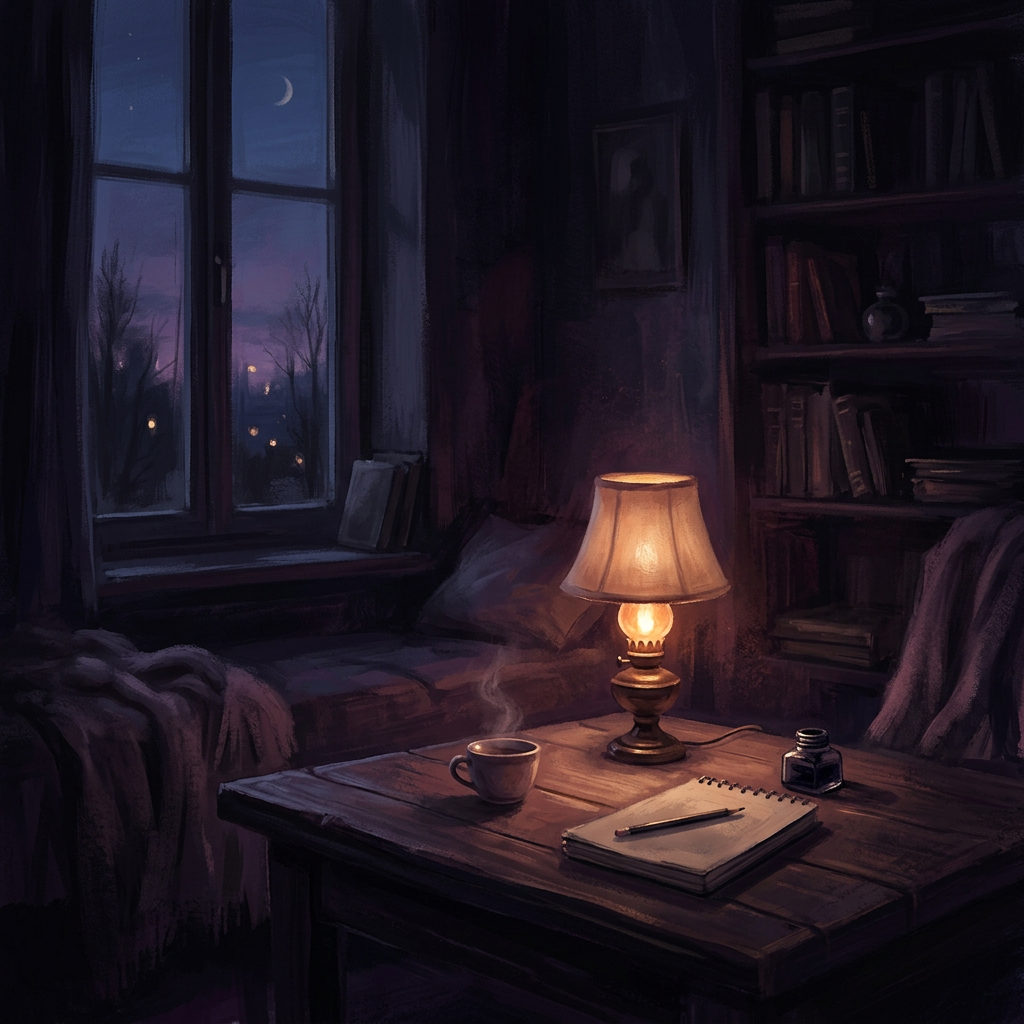
Desk with lamp, coffee, notebook, and ink beside a moonlit window

October is thinning at the edges now, the light leaving earlier and asking less of me. Issue #5 of the Poetic Bipolar Mind Substack, “The Light That Stays After,” is Kiana Jimenez writing for a season when it is easier to give in to the dark than to name it — a reflection on keeping a small lamp lit through the darker months, and a poem written just for the issue about lighting one small lamp, letting the shadows settle, and giving the dark a shape to hold.

Its thesis fits in one line: the light that stays after is the one you make room for, not the one you chase.

📖 Read it free on Substack: https://poeticbipolarmind.substack.com/p/the-light-that-stays-after

Subscribe while you’re there — new issues land every Wednesday, and subscribers get them first.

Discover more from Poetic Bipolar Mind

Subscribe to get the latest posts sent to your email.

Leave a Reply

Your email address will not be published. Required fields are marked *


Discover more from Poetic Bipolar Mind

Subscribe to get the latest posts sent to your email.

  • The Meaning of Life in Waiting for Godot

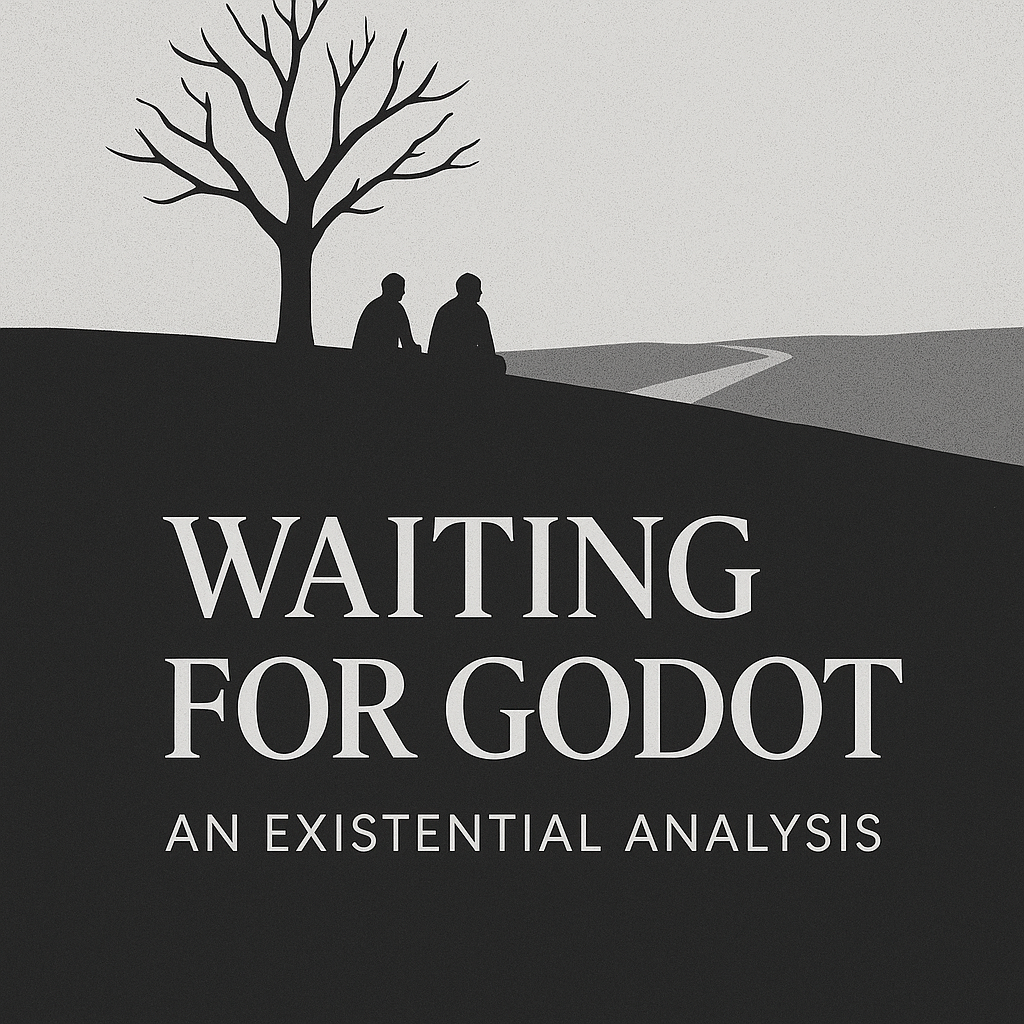
    The Meaning of Life in Waiting for Godot

    The Meaning of Life in Waiting for Godot “Nothing happens, nobody comes, nobody goes, it’s awful.” — Samuel Beckett Existentialism and Meaning The main underlying theme in the play is existentialism and the human struggle to create meaning in what seems to be a meaningless life. Existentialism is a philosophy that the idea of religion…

  • Faith as a Pseudo-Science

    Can faith stand trial in a courtroom, or survive the cold eye of a laboratory? An essay on belief without evidence, and why justice and religion were never meant to share the same bench.

  • Is Google Enhancing Our Intelligence?

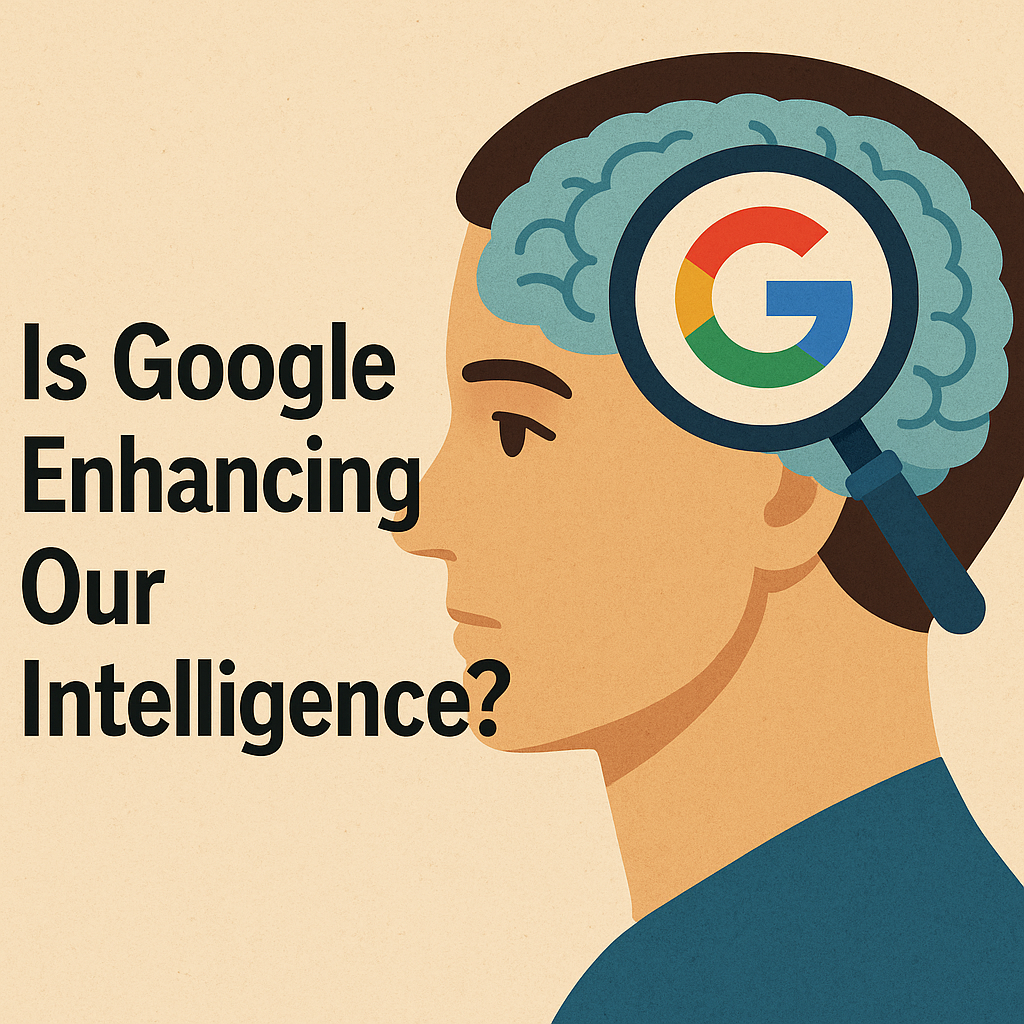
    Is Google Enhancing Our Intelligence?

    Is Google expanding our minds or reshaping how we think? This essay explores whether constant access to information makes us more intellectual or more dependent. By examining memory, attention, and critical thinking, it asks if the digital age is sharpening our intellect—or quietly rewriting it.