,

Someone Was Already Keeping Her Place: “The Room Below” — Veil Tales Part 2

She opened the door. And downstairs, someone was already keeping her place. 🗝️

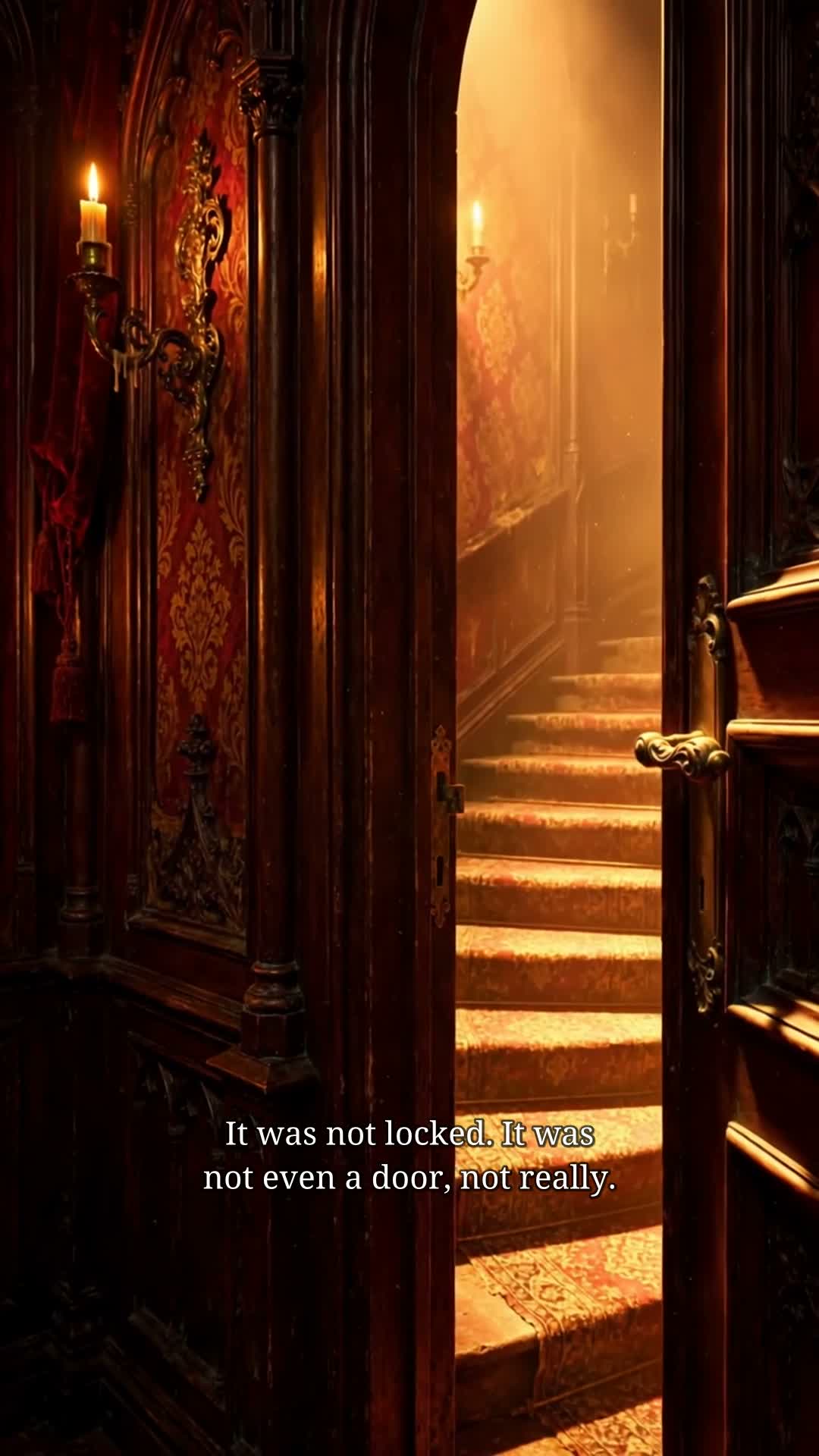
Veil Tales Part 2, “The Room Below,” is here. She goes down the stairs that shouldn’t exist and finds a room she already knew — her own room, the bed made, the candle lit, and someone sitting in the chair by the window, wearing her face.

Watch Part 2:

Transcript

Tomorrow came. I put my hand on the handle. It was not locked. It was not even a door, not really. Behind it, a staircase went down where no staircase should be, into dark that smelled like rain and old paper. I told myself I would only look. I counted my steps. One. Two. Three. The stairs kept going. At the bottom stood a room I already knew. My own room. The bed made. The candle lit. And in the chair by the window, someone was sitting, wearing my face. She did not look up. She said, without turning, You took your time. I have been keeping your place. I ran. I do not know if I ran up or down. Behind me, the door closed. And this morning, I looked in the mirror. She blinked first.

Written & created by Kiana Jimenez · Poetic Bipolar Mind. A new part arrives every Friday — follow @poeticbipolarmind so you don’t miss it.

Discover more from Poetic Bipolar Mind

Subscribe to get the latest posts sent to your email.

Leave a Reply

Your email address will not be published. Required fields are marked *


Discover more from Poetic Bipolar Mind

Subscribe to get the latest posts sent to your email.

  • The Illusion of Freedom

    David White’s Willow and Kiana Jimenez’s Binds reveal the paradox of freedom and captivity. The weeping willow’s branches drape like chains, echoing the poem’s lament of unseen binds. Yet both art and verse insist on resilience, reminding us that even in sorrow, a fragile thread of hope persists.

  • Beyond Right and Wrong

    Beyond Right and Wrong

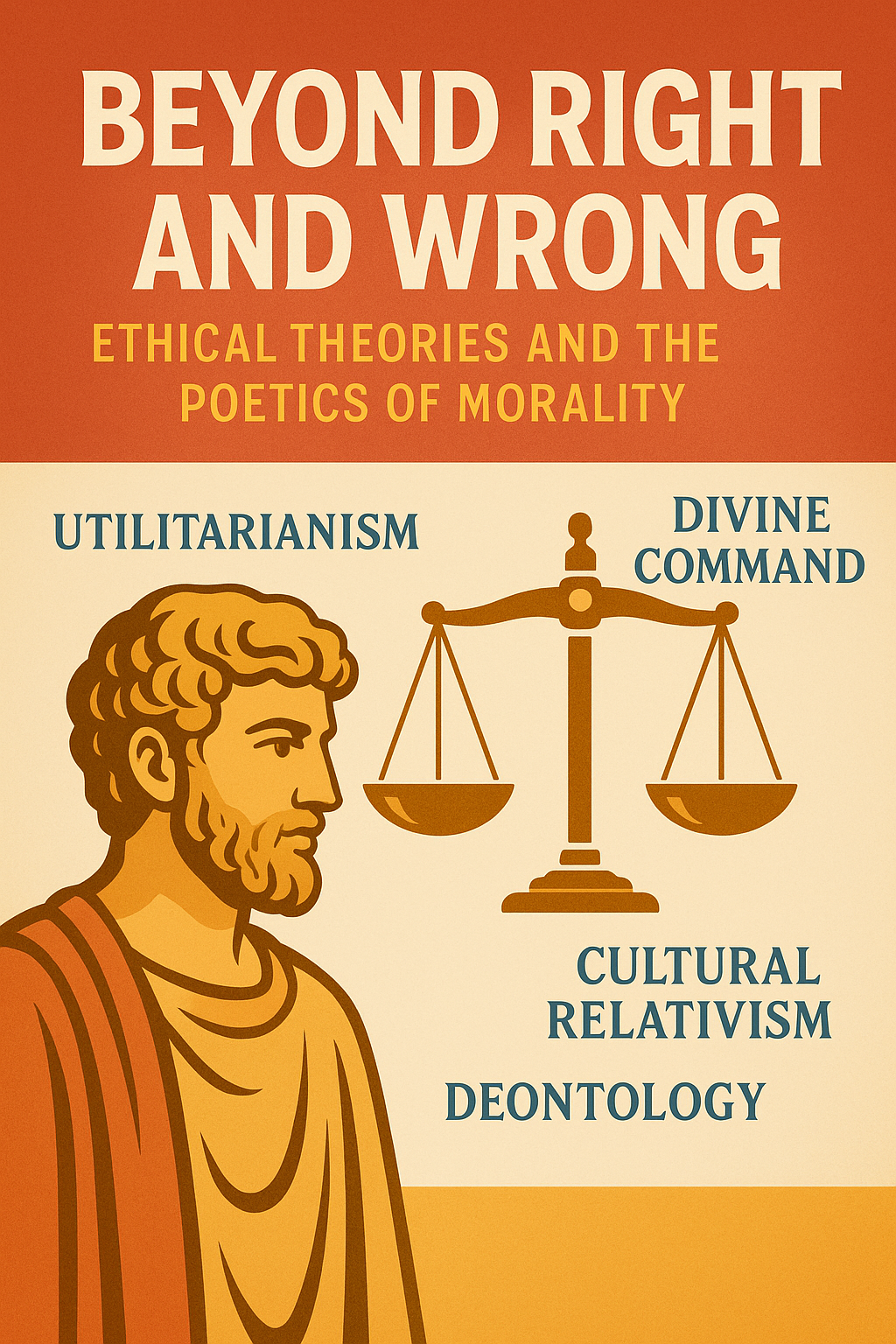
    This exploration of ethical theories—spanning subjectivism, utilitarianism, divine command, and beyond—connects philosophy to lived experience. Through history, examples, and reflection, we consider how morality shapes culture, faith, and personal identity. On Poetic Bipolar Mind, ethics becomes more than theory; it becomes a language for art, healing, and human dignity.

  • The Price of Survival

    Jonathan Swift’s A Modest Proposal exposed a world already devouring its poor. Centuries later, the feast continues—more civilized, more hidden, but no less cruel. The Price of Survival reflects on satire, power, and the grotesque truths we live, turning grief and silence into resistance through the act of writing.